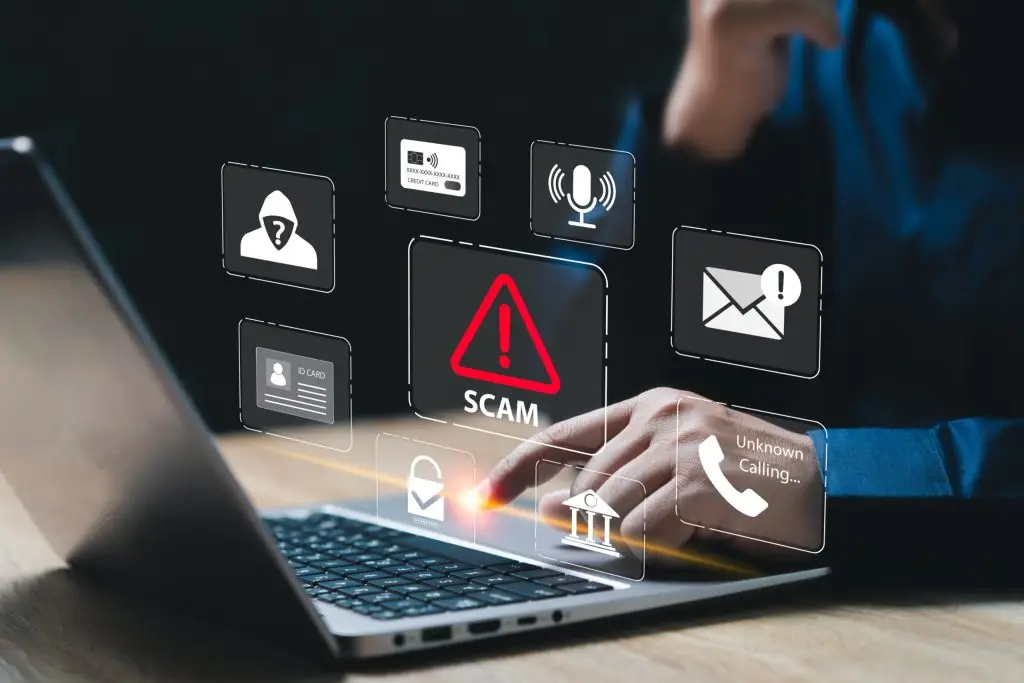
Financial fraud continues to evolve, and scammers are becoming increasingly sophisticated. Whether through email, text message, phone calls, or social media, fraudsters often target consumers by creating urgency and fear.
Knowing what to look for can help protect your accounts and personal information.
1. Urgent Requests for Immediate Action
One of the biggest red flags is a message demanding immediate action.
Scammers may claim:
- Your account has been compromised.
- A payment is overdue.
- Your account will be suspended.
- You’ve won a prize that must be claimed immediately.
Their goal is to pressure you into acting before you’ve had time to verify the request.
Pause and verify any urgent communication using official contact information.
2. Requests for Personal or Financial Information
Legitimate financial institutions generally do not ask for sensitive information through unsolicited emails, texts, or phone calls.
Be cautious if someone asks for:
- Account numbers
- Online banking credentials
- Social Security numbers
- Debit card PINs
- One-time security codes
Sharing this information can provide criminals direct access to your accounts.
3. Suspicious Links and Attachments
Fraudulent emails and text messages often contain links that direct victims to fake websites designed to steal login credentials.
Before clicking:
- Check the sender’s email address.
- Hover over links to preview the destination.
- Look for misspellings and unusual web addresses.
- Avoid opening unexpected attachments.
When in doubt, visit the company’s website directly rather than using a provided link.
4. Unexpected Payment Requests
Scammers frequently demand payment through methods that are difficult to trace or reverse.
Watch for requests involving:
- Gift cards
- Cryptocurrency
- Wire transfers
- Peer-to-peer payment apps
If someone insists on one of these payment methods, especially under pressure, proceed with extreme caution.
5. Unrecognized Account Activity
Reviewing your accounts regularly can help you spot fraud early.
Pay attention to:
- Small unfamiliar transactions
- Login alerts you didn’t initiate
- New accounts opened in your name
- Changes to contact information
- Missing account statements
Even small unauthorized transactions can indicate larger fraud attempts.
How to Protect Yourself
In addition to recognizing warning signs, consider these best practices:
- Enable account alerts.
- Use strong, unique passwords.
- Turn on multi-factor authentication.
- Monitor your credit reports regularly.
- Keep your devices updated with the latest security patches.
What to Do If You Suspect Fraud
If you believe your information has been compromised:
- Contact your financial institution immediately.
- Change affected passwords.
- Monitor your accounts closely.
- Report suspicious activity as soon as possible.
- Consider placing a fraud alert on your credit file.
The sooner fraud is detected, the greater the chance of limiting potential financial losses.
At Self Reliance Financial Federal Credit Union, protecting our members is a top priority. Staying informed about common fraud tactics is one of the most effective ways to keep your finances safe and secure.